What is Precision Lapping?
Lapping is an abrasive machining process that produces extreme geometric flatness, parallelism, and sub-micron surface finishes. By controlling abrasive particle mechanics against engineered reference plates, surface variations are minimized to fractions of a light band.
- Loose abrasive grains roll dynamically between workpiece and plate
- Abrasives continuously fracture, exposing fresh micro-cutting edges
- Ideal for high material removal rates on brittle substrates
- Requires steady slurry replenishment and precise carrier conditioning
- Micro-diamond grains permanently embedded or charged into soft carrier matrix
- Fixed abrasive orientation delivers true micro-planing and shearing action
- Eliminates rolling pit defects for scratch-free, mirror-grade finishes
- Extreme planarity retention over extended production cycles
Evaluating a Custom Lapping Requirement?
ABLAP manufactures precision diamond lapping plates and permanent matrix laps for both industrial processes.
Industrial Machine Lapping Solutions
Engineered for high-volume, automated production environments. ABLAP permanent diamond matrix lapping plates mount directly to rotary single-sided and planetary double-sided machines, delivering certified sub-micron surface profiles with minimal operator intervention.
Production-Scale Precision
Conventional loose-slurry systems suffer from progressive carrier wear, messy cleanup, and grit particle agglomeration that causes irregular scratching. Our fixed diamond matrix locks micron-graded diamond crystals into an engineered composite bond, maintaining uniform cutting action from first part to last.
Minimal Loading
Diamond matrix design repels swarf buildup, eliminating frequent dressing cycles.
Extended Plate Life
Continuous uniform abrasive depth provides thousands of hours of production runtime.
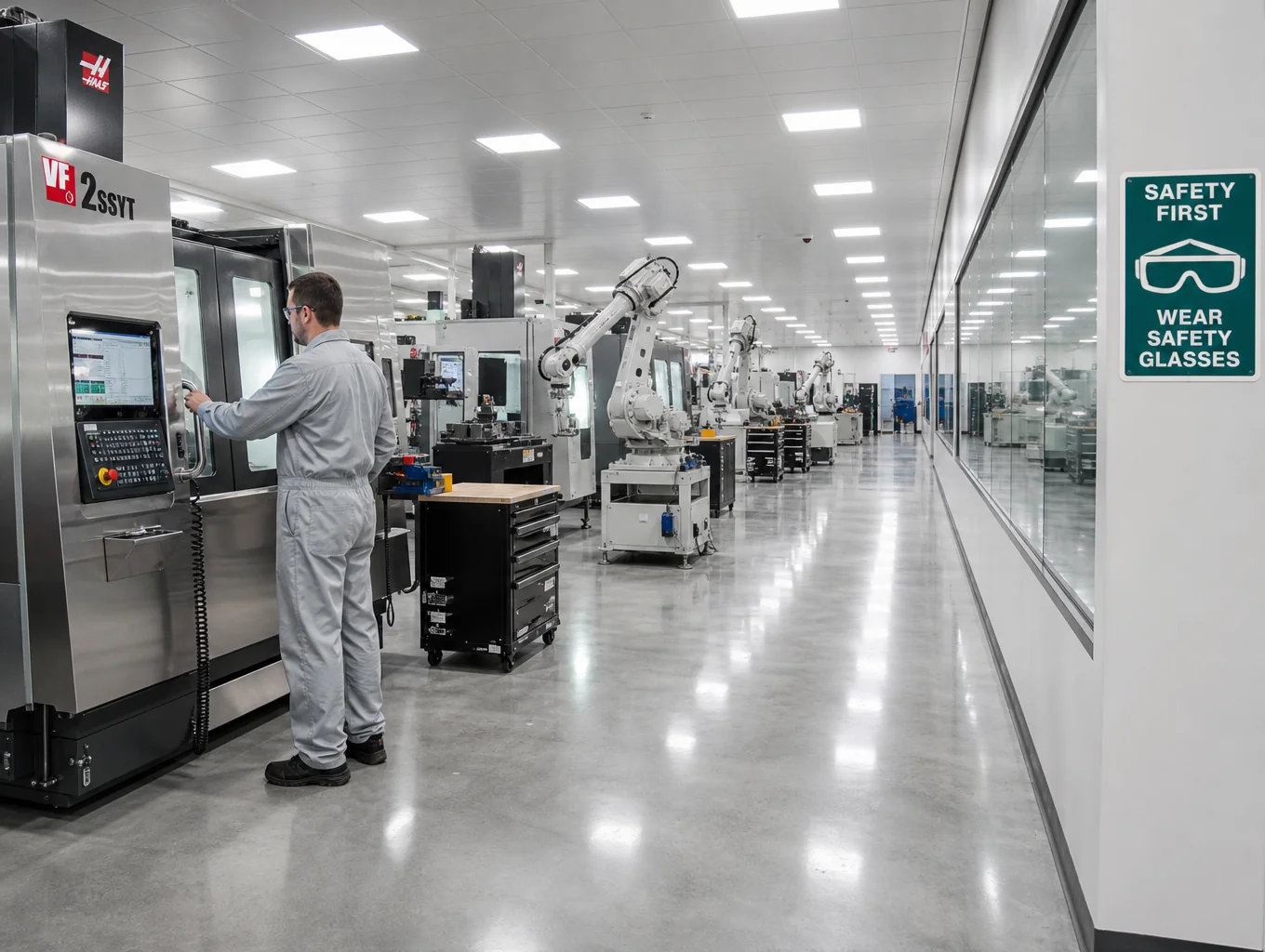
Automated diamond conditioning on ceramic valve components
Engineered for High-Yield Repeatability
Key operational parameters validated through interferometric surface metrology and certified wear profiling.
Sub-Micron Flatness Uniformity
Maintains absolute geometrical repeatability across batch processing cycles without edge roll-off or crowning.
High Production Throughput
Permanent diamond matrix minimizes thermal expansion and eliminates slurry replenishment downtime.
Zero Slurry Contamination
Eliminates loose abrasive embedment in softer workpiece alloys, simplifying ultrasonic cleanroom washing.
Optical Surface Finish
Controlled micron diamond grading delivers reflective, defect-free finishes on ceramics, sapphire, and hardened alloys.
Need Custom Machine Plate Geometries?
We engineer bespoke matrix formulations and custom bolt patterns for Lapmaster, SpeedFam, Spitfire, and custom spindles.
Hand Lapping Applications & Precision Bench Finishing
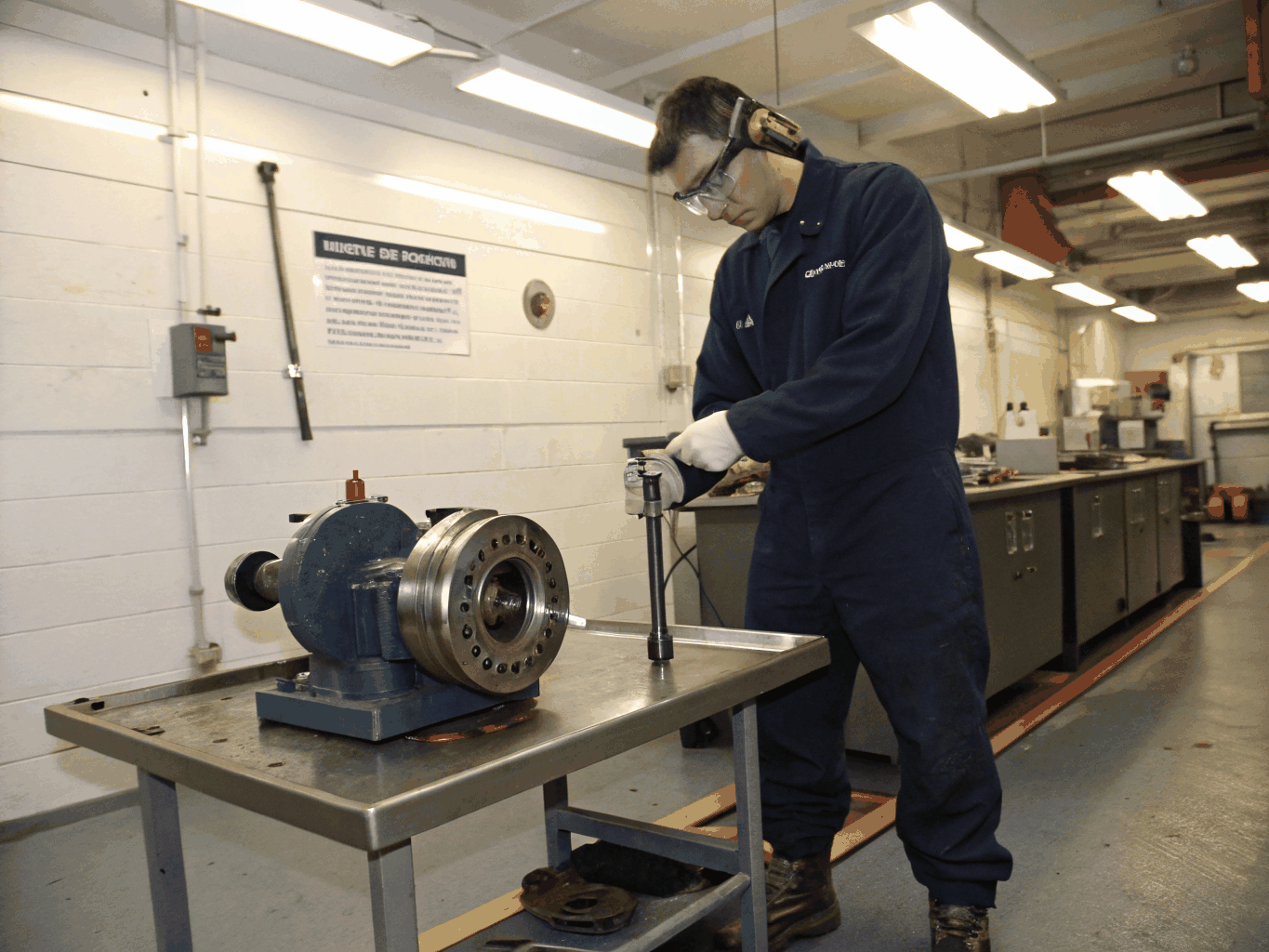
Hand lapping provides unmatched tactile feedback for low-volume engineering prototypes, optical surfaces, and precision metrology components. Using ABLAP diamond matrix plates, technicians achieve flatness within one light band and surface finishes down to 1 micro-inch without machine fixturing.
- Standard Grit Range
- 0.25 µm to 45 µm
- Surface Hardness
- Cast Iron / Hard Bronze Matrix
- Substrate Flatness
- Certified within 0.0001 mm
- Plate Dimensions
- 6" × 8" up to 18" × 24" Bench Formats
Key Advantages of Manual Diamond Matrix Lapping
Precision characteristics engineered for QA validation, toolroom maintenance, and specialty production runs.
Manual feedback allows technicians to adjust local pressure dynamically, correcting minor part geometry variances and optical flat anomalies in real time.
Ideal for low-volume prototypes, non-standard component geometries, and irregular contact surfaces where machine fixture setup costs are prohibitive.
Eliminate expensive mechanical workholding and CNC programming delays. Hand lapping plates are ready for instant benchtop deployment across metallurgical and optical labs.
ABLAP permanent diamond matrix plates resist abrasive swarf build-up, maintaining clean diamond cutting edges without requiring frequent re-dressing.
Precision Industries Served
ABLAP diamond lapping plates and matrix laps provide certified flatness, rapid stock removal, and defect-free finishes across rigorous manufacturing environments.
Aerospace & Defense
Flight-critical hydraulics & guidance
Fuel nozzles, gyro gimbal bearings, turbine seal faces
Semiconductor & Microelectronics
Substrate and CMP tool conditioning
Wafer chucks, ceramic carrier plates, CMP rings
Precision Optics & Photonics
Laser grade and infrared optics
Sapphire windows, laser crystals, optical reference flats
Medical & Surgical Devices
Implant interfaces & fluidics
Surgical blade flats, titanium joint flats, valve seals
Automotive & Heavy E-Mobility
High-pressure fuel & power systems
Diesel injector seats, ceramic battery guides, pump rings
Tool, Die & Mold Making
Hardened alloys and carbide tooling
Carbide punches, PCD inserts, stamping die blocks
Energy & Flow Control
Severe service valve & seal interfaces
Mechanical seal rings, silicon carbide pump faces
Metrology & Standards Labs
Master calibration reference surfaces
Master gauge blocks, optical reference mirrors, anvils
Need custom plate formulations for non-standard alloys?
Our application engineers consult directly on grit grading, diamond matrix bonding, and plate flatness maintenance for your specific machine setup.